
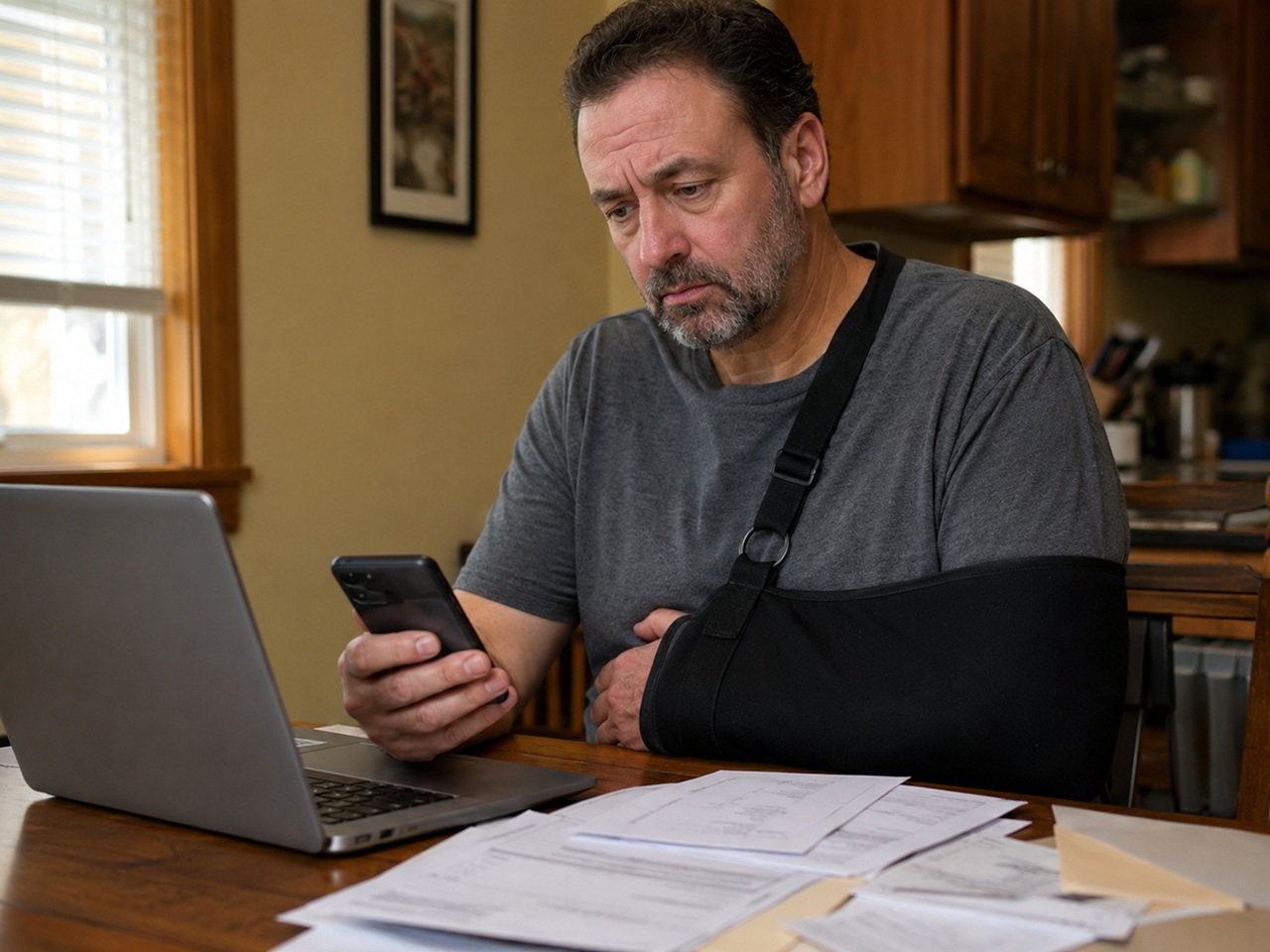
Social Media Can Damage An Ohio Workers’ Compensation Claim Before You Realize It
Filing a workers' compensation claim in Ohio sets a process in motion that most injured workers don't fully understand, and one of the least visible parts of that process is the surveillance that often begins shortly after a claim is filed. Insurance companies have a financial incentive to reduce or deny every claim they can, and social media has given them an extraordinarily powerful tool to do it.
An Ohio workers' compensation attorney who has seen these cases play out knows that a single photograph, a casual check-in, or an offhand comment posted online can be taken out of context and used to cast doubt on an injury that is entirely real and legitimate.
Injured workers who assume their accounts are private or that insurers won't bother to look are taking a risk they don't need to take. Once an Ohio workers' compensation claim is disputed, everything tied to the injury, recovery, and the worker's daily activities can become part of the fight.
Why Do Insurance Companies Look At Social Media After A Work Injury?
Insurance companies and claims administrators are not just reviewing medical records. They are looking for anything they can use to argue that an injured worker is less hurt than they say, can return to work sooner than their doctor says, or exaggerated the limits caused by the injury.
Ohio workers' compensation claims often involve medical benefits, wage replacement, work restrictions, return-to-work issues, and disputes over whether an injury is truly work-related. The broader workers' compensation process can quickly become adversarial, especially when the other side believes it has evidence that undercuts the worker's credibility.
Social media gives insurers a way to build that argument without ever speaking to the injured worker directly. A post need not prove fraud to cause damage. It only has to create doubt.
The Types Of Posts That Can Damage A Workers' Compensation Claim
It doesn't take an incriminating video of someone lifting heavy boxes to give an insurance company ammunition against a claim. Adjusters and defense attorneys are practiced at finding value in ordinary, everyday content that claimants never imagined would be scrutinized.
Almost any post can be reframed to suggest that an injury is exaggerated, fabricated, or already resolved. The categories of content that tend to cause the most damage are broader than most people expect.
- Photos Showing Physical Activity: Images of a claimant hiking, playing with children, working in the yard, dancing at a wedding, or participating in any physical activity are routinely used to argue that the reported limitations are overstated. It doesn't matter that the photo was taken on a good day, that the activity was brief, or that the claimant paid for it with days of pain afterward. The image alone becomes the evidence.
- Location Check-Ins and Event Tags: Checking in at a concert, a sporting event, a restaurant, or any public venue can be used to suggest that a claimant's quality of life and physical ability are inconsistent with the injury they've reported. Insurers don't need a photo of someone performing a physically demanding task. Simply being out in the world can be enough to raise questions.
- Comments About Work, The Injury, or The Claim: Venting about an employer, making casual remarks about how the injury feels, or saying anything that touches on the circumstances of the claim can be taken out of context and used against the claimant in a hearing. Even a comment intended to express frustration can be reframed as an admission.
- Posts By Friends and Family: A claimant who locks down their own account can still be exposed through the accounts of people around them. A family member who tags a claimant in a photo, shares a post about an outing, or comments publicly on the claimant's activities can inadvertently hand an insurance investigator exactly what they were looking for.
- Profile Photos and Cover Images: Even something as static as a profile photo can be used if it depicts physical activity or contradicts the reported severity of an injury. Investigators screenshot everything, and images that seem harmless in isolation can be woven into a narrative that damages a claim's credibility.
This risk applies whether the worker suffered a back injury, repetitive stress injury, crush injury, fall injury, or another serious job-related injury. A worker recovering from a ladder fall at work, for example, may have strict medical restrictions even if a single social media photo makes their recovery look easier than it actually is.
How Do Insurance Companies Build A Case From Social Media?
The mechanics of how insurers gather and use social media evidence are more sophisticated than most claimants realize, and understanding the process helps explain why the problem is harder to manage than simply making an account private after a claim is filed.
- Dedicated Surveillance Investigators: Many insurance companies retain investigators whose job is to monitor claimants' online activity throughout the life of a claim. These investigators know how to find public content, identify connected accounts, and track activity across multiple platforms.
- Discovery Requests For Private Account Content: Privacy settings are not a complete shield. In contested workers' compensation cases, private social media content may become discoverable if the other side argues that it is relevant to the injury, restrictions, activities, or credibility issues in the claim.
- Screenshots Taken Before Deletion: Deleting a post after a claim is filed doesn't make it disappear. Investigators may take screenshots of content as soon as they find it, and deleting posts after a claim is underway can create additional problems if it appears that evidence was destroyed.
- Out-Of-Context Presentation at Hearings: A photo or post that makes complete sense in context can be presented at a workers' compensation hearing in a way that strips away all of that context. Without legal representation, a claimant may struggle to explain what the evidence actually shows.
The right response to a social media concern in a workers' compensation case is never to panic, delete posts, or make sudden changes that could look suspicious. The safer move is to speak with an attorney who can assess the situation and advise on the appropriate next step.
What Should Ohio Workers' Compensation Claimants Do Right Now?
The best protection against social media being used to undermine a workers' compensation claim is a clear set of habits adopted immediately after an injury. These steps are not complicated, but they require consistency and ensuring that the people closest to the claimant understand the stakes as well.
- Do Not Post About The Injury Or Claim: Do not post anything about the injury, recovery, employer, claim, medical appointments, work restrictions, or frustration with the process on any platform for any reason. Even a post intended to update concerned friends and family can create problems if it conflicts with anything in the legal record.
- Be Careful With Activity Photos: Avoid posting or allowing others to post photos that show physical activity, travel, social events, or anything an insurer could argue is inconsistent with your injury. The photo may not show pain, medication use, limits, or what happened after the activity ended.
- Talk to Family and Friends: Ask family members and close friends not to tag you in photos, post about shared activities, or comment publicly on anything related to the injury or the claim. The people who care most about you can accidentally cause the most damage if they don't know what's at stake.
- Review Privacy Settings Carefully: Tightening privacy settings can help reduce unnecessary exposure, but it should not be treated as a complete solution. Sudden account changes after a claim is filed may raise questions, and private content can still become an issue in a disputed claim.
- Do Not Delete Old Posts Without Legal Advice: If something online worries you, talk to an attorney before deleting it. Removing content after a claim is filed may suggest that you were trying to hide evidence, even if that was not your intent.
Ohio workers have rights after a job injury, but those rights are easier to protect when the worker understands how to challenge the claims process. Knowing your rights under Ohio's workers' compensation law can help you make better decisions before the insurance company has a chance to control the narrative.
How Can Social Media Affect Medical Benefits And Work Restrictions?
Social media evidence can be especially damaging when a claim involves medical treatment, work restrictions, or the timing of a return to work. If a doctor has restricted lifting, bending, climbing, standing, or driving, an insurer may search for posts that seem inconsistent with those restrictions.
That does not mean a photo tells the whole story. A worker may be able to stand for a short period but not an entire shift. A worker may attend a family event but needs help getting there, pain medication afterward, or several days of rest. A worker may smile in a photo while still dealing with serious pain, numbness, weakness, or limited mobility.
Still, insurers can use those images to question whether ongoing medical benefits are necessary or whether a worker is ready for modified duty. When a claim involves returning to work, the other side may argue that social media proves the worker can do more than their doctor allows.
What If The Insurance Company Uses Social Media To Deny Benefits?
If an insurer, employer, or claims administrator uses social media to dispute a claim, deny treatment, challenge work restrictions, or push for an early return to work, the worker should not try to explain everything on their own. Anything said in response can become part of the dispute.
A denial is not always the end of the claim. Ohio injured workers may have options when facing a denial of workers' compensation benefits, but their response needs to be organized, documented, and supported by medical evidence.
An attorney can help put social media evidence in context, gather medical records, address inaccurate assumptions, prepare testimony for the hearing, and push back when the other side tries to turn a single post into the entire story of the case.
Can Social Media Affect A Workers' Compensation Settlement?
Social media can also affect settlement negotiations. If the insurance company believes it has evidence that weakens the claim, it may offer less money, delay resolution, or push harder for a settlement that does not reflect the full value of the injury.
Before resolving a claim, injured workers should understand what they are giving up and whether the settlement accounts for future medical needs, wage loss, permanent restrictions, and long-term disability. Settling a workers' compensation claim can have lasting consequences, especially if the worker still needs treatment or cannot return to the same job.
That is why social media discipline should continue until the claim is fully resolved. A post that seems harmless during settlement discussions can still give the other side leverage.
Protecting Your Claim From The Start
Ohio's workers' compensation system is complicated enough without handing the other side free evidence. Hochman & Plunkett Co., L.P.A. has been fighting for the rights of injured workers in Dayton, Cincinnati, Springfield, Troy, Columbus, and communities throughout Ohio since 1969, with more than 150 years of combined legal experience and a deep understanding of the tactics insurers use to undermine legitimate claims.
If you've been injured at work and have questions about protecting your claim, the attorneys at Hochman & Plunkett are ready to help. You pay no legal fees unless a recovery is made on your behalf. Contact us today for a free case consultation.
"The staff at Hochman and Plunkett have worked so hard over the past few years to bring my case to a close. Without their help, I would never have won my injury claim case. They are kind, supportive, and fight for you. I would recommend them to everyone!" - Brittany K., ⭐⭐⭐⭐⭐