
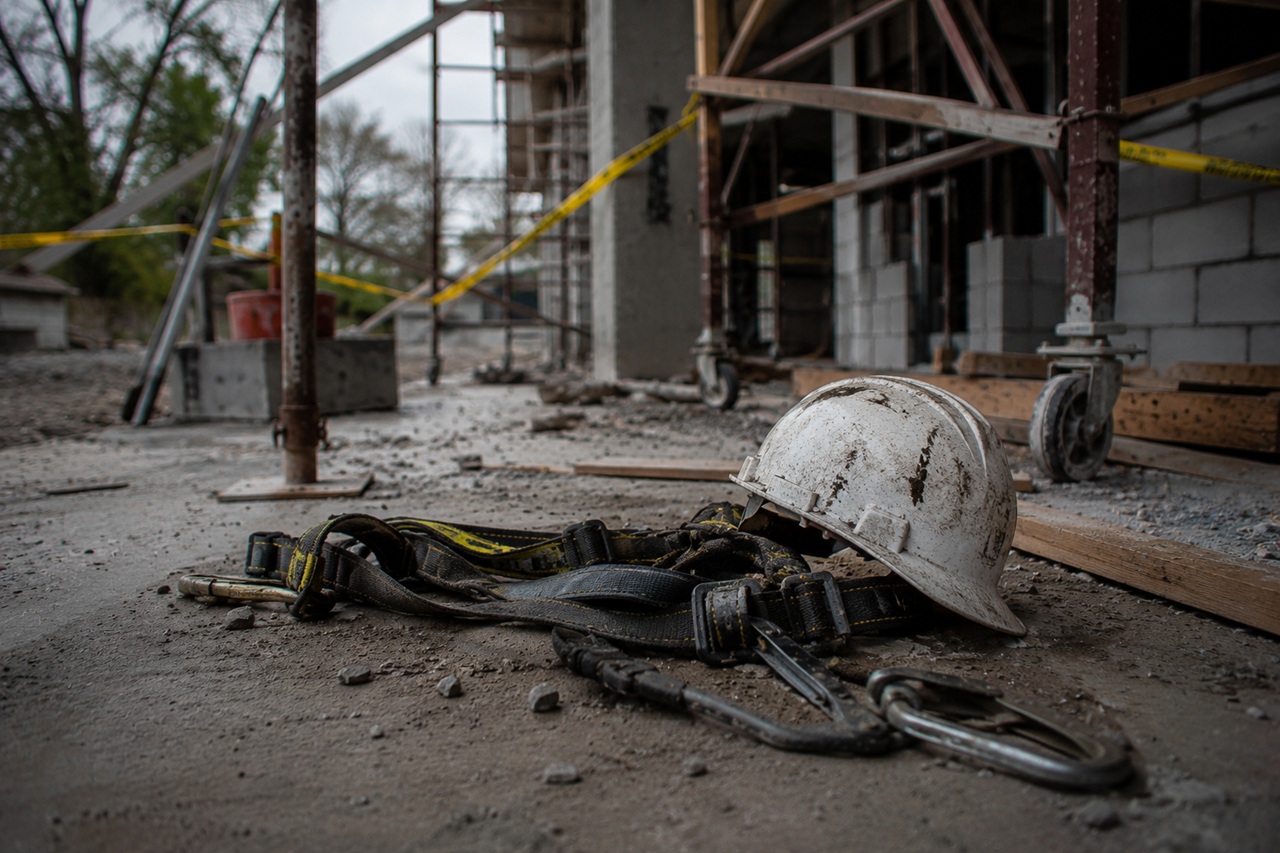
Ohio Workplace Safety Violations Continue Causing Preventable Injuries
Even with decades of workplace safety regulations in place, preventable hazards continue causing serious injuries and fatalities across the country, including in Ohio. Recent federal enforcement data confirm that many of the same safety violations keep recurring year after year, suggesting that some workplace risks are still not being properly addressed.
That reality remains especially concerning for injured workers and their families because many of these incidents could likely be avoided with proper training, oversight, and compliance.
According to recent enforcement data reported by the Occupational Safety and Health Administration (OSHA), the most frequently cited workplace safety violations remain largely unchanged, with fall protection, hazard communication, and ladder safety continuing to top the list nationwide.
OSHA’s Latest Data Highlights Ongoing Workplace Safety Problems
A recent analysis published in Safety+Health Magazine reported OSHA’s final “Top 10” most cited safety standards for fiscal year 2025.
The findings reveal a troubling pattern: many of the same workplace hazards continue appearing across industries year after year, with some of the most frequently cited standards including:
- Fall Protection – General Requirements: 6,992 violations
- Hazard Communication: 3,010 violations
- Ladders: 2,842 violations
- Lockout/Tagout Procedures: 2,562 violations
- Respiratory Protection: 2,294 violations
- Scaffolding Safety: 2,286 violations
- Fall Protection – Training Requirements: 2,216 violations
- Powered Industrial Trucks: 2,150 violations
- Eye And Face Protection: 1,965 violations
- Machine Guarding: 1,498 violations
These are not minor technical violations. They often reflect serious workplace safety failures that directly contribute to catastrophic injuries and fatalities.
Fall Protection Violations Continue Leading To Serious Workplace Injuries
Fall protection remains OSHA’s most frequently cited violation year after year.
This category covers work performed at heights, including construction sites, roofing jobs, scaffolding work, elevated platforms, warehouses, and industrial facilities.
When proper fall protection systems are missing or used incorrectly, the consequences are often severe. Common safety failures include:
- Missing or improperly secured guardrails
- Failure to use fall arrest systems or harnesses
- Unsafe ladder or scaffolding use
- Lack of fall protection training
- Improper anchoring systems
Falls remain one of the leading causes of workplace fatalities, especially in construction and industrial environments. Even relatively short falls can leave workers dealing with traumatic brain injuries, spinal cord damage, multiple fractures, or permanent disability.
Hazard Communication Violations Can Expose Workers To Dangerous Chemicals
The second-most-cited OSHA violation category involves hazard communication standards, which require employers to properly inform workers about hazardous chemicals and substances used in the workplace.
When these rules are ignored or poorly implemented, workers may be exposed to hazardous substances without understanding the risks or proper handling procedures.
Common hazard communication violations include:
- Missing or incomplete safety data sheets
- Improper chemical labeling
- Failure to train workers on chemical hazards
- Poor storage or handling procedures
- Failure to communicate exposure risks clearly
Exposure to dangerous chemicals can cause burns, respiratory injuries, chronic illness, neurological damage, and long-term health complications that may affect workers for years after the exposure occurred.
Ladder Safety Violations Continue Causing Preventable Falls
Ladder safety violations remain among the most overlooked yet dangerous workplace hazards identified by OSHA.
Ladders are used in nearly every industry, from construction and manufacturing to retail, maintenance, and warehousing. Yet improper ladder use continues causing thousands of preventable injuries every year.
Common ladder safety failures include:
- Using damaged or unstable ladders
- Placing ladders on uneven or slippery surfaces
- Standing on the top rung or overreaching
- Failing to secure ladders properly
- Using the wrong type of ladder for the job
These incidents often leave workers facing broken bones, head injuries, back injuries, and long recovery periods that interfere with their ability to return to work.
Machine Guarding And Lockout Violations Can Cause Catastrophic Injuries
Some of OSHA’s most dangerous violations involve machinery and industrial equipment.
Machine guarding violations happen when dangerous moving parts are left exposed or when safety barriers are removed. Lockout/tagout violations involve failures to properly shut down and isolate equipment during maintenance or repairs.
When employers ignore these safety procedures, workers can suffer devastating injuries involving:
- Crush injuries
- Amputations
- Severe lacerations
- Electrical injuries
- Permanent nerve damage
Many of these injuries permanently alter a worker’s ability to return to the same career or to a physically demanding job.
How Workplace Injuries Affect Ohio Workers And Families
For injured workers, a serious workplace accident often creates far more than immediate medical problems. A preventable injury can affect nearly every part of a person’s life, including:
- Medical Treatment and Ongoing Care: Emergency treatment, surgery, rehabilitation, medication, and long-term medical needs.
- Lost Income and Reduced Earning Ability: Missed work, reduced hours, or long-term inability to return to the same occupation.
- Permanent Disability: Serious injuries may permanently limit mobility, physical ability, or career options.
- Emotional and Financial Stress: Injured workers and families often face uncertainty about recovery, employment, and future financial stability.
For many families, the financial pressure begins almost immediately after the injury happens.
How A Workplace Accident Attorney Can Help Injured Workers
After a serious workplace injury, it’s normal to feel overwhelmed. Even when an injury clearly happened on the job, workers often face delays, disputes, denied benefits, or pressure from employers and insurance companies.
A workplace accident attorney may help by:
- Investigating how the injury happened and whether OSHA violations played a role
- Gathering medical records and supporting documentation
- Managing workers’ compensation filings and deadlines
- Challenging denied or delayed benefits
- Helping injured workers pursue proper medical treatment and wage replacement benefits
- Determining whether a third-party injury claim may also apply
Legal representation can become especially important in cases involving severe injuries, permanent disability, disputed claims, or long-term inability to work.
Protecting Injured Workers Across Ohio
When workplace safety rules are ignored, the consequences can include years of medical treatment, lost income, physical limitations, and uncertainty about the future. Understanding what caused the injury is often an important first step toward protecting both your health and your financial stability.
At Hochman & Plunkett Co., L.P.A., we understand what injured workers are up against. With more than 150 years of combined experience, our firm has spent decades helping workers across Ohio navigate the workers’ compensation system. We don’t just process claims. We investigate what really happened and fight to protect the people injured because workplace safety failures were ignored.
Contact An Ohio Workplace Accident Lawyer
If you were injured on the job in Dayton, Cincinnati, Columbus, Springfield, Troy, or anywhere in Ohio, you don’t have to face the workers’ compensation system alone. Contact us today for a free consultation. We’re ready to fight for the benefits and compensation you deserve.
“Hochman and Plunkett is the place to go for workers' compensation cases. They work hard for you and get the best compensation for your case. They helped me, and they will help you. Thanks Gary and team!” – Bruce B., ⭐⭐⭐⭐⭐